
Nurses: Save Time With 4 Proven Automated Medication Dispensing Features
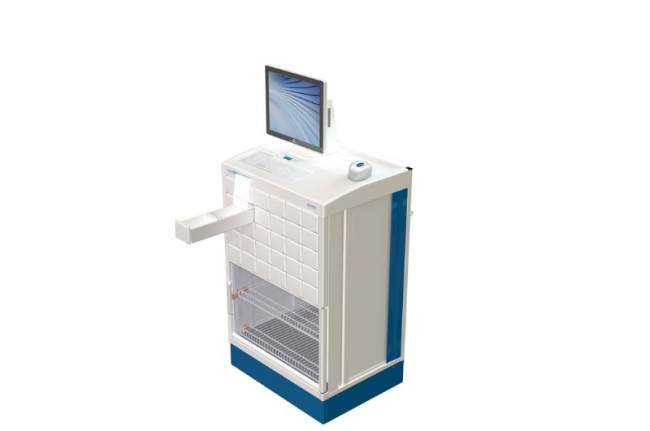

In today’s fast-paced healthcare world, nurses handle many tasks. They manage several patients, document care, and give medications safely and on time. The last thing nurses need is technology that slows them down. That’s where automated dispensing cabinets (ADCs), engineered with nurses in mind, come in.
Here are four must-have features nurses love in an ADC—and why they matter for better care and less stress.
When seconds count, nurses need fast, frustration-free access. An ADC with a user-friendly interface has clear navigation and large icons. It also creates quicker response times. All this helps staff get medications fast, without extra steps or confusion.
Key benefits include:
- Streamlined Workflows. Easy-to-use interfaces with clear layouts and organized features make navigation simple. This helps staff find important information quickly and reduces time searching.
- Reduced Cognitive Burden. Modern, easy-to-use software removes the stress of remembering complicated processes. It also helps nurses avoid difficult interfaces. This allows nurses to focus more on patient care.
- Faster Training. A simpler interface with guided steps helps new staff learn the system faster. This speeds up onboarding and boosts efficiency.
Why Nurses Love It: Less time searching through menus = more time at the bedside.
No more juggling keys or remembering complex passwords. Biometric login lets nurses tap in with a touch of their badge. It's secure, compliant, and allows nurses to access what they need instantly.
Key benefits include:
Improved Security: Badge access systems limit entry to authorized people. They offer a safer and more reliable way to verify identity than traditional keys or passwords.
- Improved Efficiency: By removing manual tracking and password entry, badge access makes operations smoother. It allows quick and easy access to patient information and medications.
- Accountability: Using biometrics or badges for access creates a clear record. It shows who accessed which medications, when, and for which patient. This is important for preventing medication errors and misuse.
Why Nurses Love It: Fewer delays during urgent situations and no wasted time tracking down keys.
Medications come in all shapes and sizes. ADCs with configurable drawers and lidded pockets help you store everything safely, including controlled substances, all while saving space.
Key benefits include:
- Optimized Space Use: Flexible, modular drawers with adjustable dividers help healthcare facilities store more medications in less space. This makes organizing the pharmacy easier.
- Better Inventory Management: Custom compartments and real-time tracking help avoid running out of important medications. This also reduces waste from expired stock.
- Improved Safety: Configurable drawers let you store high-alert, look-alike, or sound-alike medications separately. This adds safety to the dispensing process and lowers the risk of mix-ups.
Why Nurses Love It: No more cramming meds into the wrong slots or dealing with limited storage.

Medication dispensing errors are one of the biggest risks in healthcare. Built-in barcode scanning helps check that the right medication goes to the right patient. This improves safety without adding extra steps.
Key benefits include:
- Reduces Medication Errors: Barcode medication administration (BCMA) systems help lower medication errors. They provide a final check to confirm the "five rights" of giving medicine: the right patient, medication, dose, route, and time.
- Improves Patient Safety: Studies show that BCMA systems can cut non-timing errors by more than 40%. They can also lower potential drug problems by over 50%.
- Improves Documentation: Barcode scanning facilitates real-time, accurate documentation of medication administration, which is crucial for effective clinical decision-making and continuity of care.
Why Nurses Love It: Barcode scanning allows nurses to confidently dispense auto-checked doses.
The best ADCs aren’t just secure and compliant—they’re nurse-friendly. Their features help nurses care for patients better. They reduce extra clicks, remove keys, and improve accuracy.
For too long, hospitals have seen this technology as a fixed cost. Administrators, traditionally, have counted it as overhead. But this point of view misses how a well-designed ADC affects nurses' daily lives, patient experience, and the whole of the healthcare system.
Administrators can measure the real return on investment of ADCs by looking at labor savings and reduced medication errors. They can find it in the improved morale that comes from using tools that feel supportive, not burdensome.
When nurses are less stressed by logistical frustrations, they have more mental capacity for critical thinking and compassionate care. This change in focus leads to better patient experiences and higher retention rates. These are two of the most significant challenges hospital administrators face today.
Increasingly, hospital leadership has reframed the ADC conversation from simple inventory to an important capital investment. A sound ADC investment highlights administrator commitment to helping staff provide excellent care. Nurses, in turn, feel more valued—both for their time and their well-being.
Ready to simplify medication management for your nursing team?
- Schedule a free demo with TouchPoint Medical. We provide everything nurses need, and nothing they don't.
- Learn how TouchPoint Medical’s medDispense® solutions help nurses.
