
The Truth About Standardized Healthcare Workstations (And Better ROI)
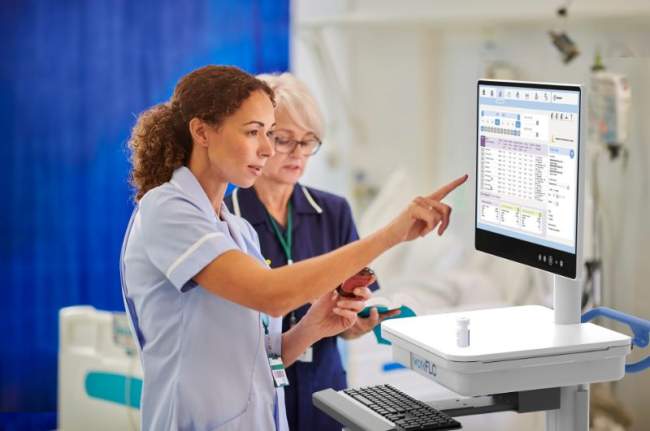

In many hospitals, the word "standardization" is often met with resistance. To a nurse, standardization sounds like a loss of autonomy; to IT, it sounds like a new, rigid mandate. However, it may be more appropriate to view standardization not as a top-down rule, but as a strategy to eliminate the "janky," inconsistent workstation setups that plague modern care. When a facility lacks a unified approach to medical workstations, clinicians lose valuable time fighting with equipment rather than focusing on the heart of their work: the patient.
Over time, hospitals sometimes accumulate a mismatched fleet of medical carts and mounting systems. Usually, mismatches happen when equipment has been purchased across different budget cycles. While each individual pc cart or mounting arm purchase might have made sense in one context, the collective result is a fragmented care environment.
For clinical teams, this inconsistency actually creates a high mental load. Moving from a mobile computer cart in the ER to a different laptop computer cart in the ICU forces staff to constantly re-learn ergonomics. For IT and facilities, a lack of standardized computer wall mounts means managing a mammoth inventory of spare parts and a surging number of support tickets for incompatible hardware.
The ultimate goal of modern infrastructure is to provide a reliable foundation that still allows for unusual or specialized configurations. Effective standardization focuses on modular medical workstations rather than identical, rigid units.
A shrewd standardization strategy utilizes:
Modular Mounting Systems: A high-quality wall mounted monitor arm should support everything from a small display to a heavy patient monitor without requiring a new wall track.
Powered Mobile Cart Workstation Platforms: Using a consistent computer cart base that can be outfitted with unit-specific accessories—like drawers for med carts or specialized scanners—preserves familiarity while allowing for customization.
Unified Ergonomics: Whether using a standing monitor arm or a mobile cart workstation, the adjustment logic should be the same across the entire facility.
When clinicians know exactly how their laptop computer cart will behave, muscle memory takes over. This consistency is valuable for float pools and traveling nurses who need to immediately perform at the highest level without a long onboarding process for every new room they enter.
Furthermore, a mobile computer cart fleet built on a shared platform is actually easier to scale. When technology changes, you don’t replace the entire computer cart; you simply update the mount or the battery. This creates a wealth of long-term savings and unparalleled predictability for refresh cycles.
Standardization works best when it’s a collaboration. Selecting a shrewd mix of medical carts and mounting systems that prioritize modularity allows hospitals, health systems, and other healthcare facilities to reduce complexity without limiting care. The bottom line is that consistency and customization don’t have to compete. When designed together, they make a strong foundation for better clinical outcomes.
