
Designing a Warm, Welcoming Modern Dental Practice for New Patients
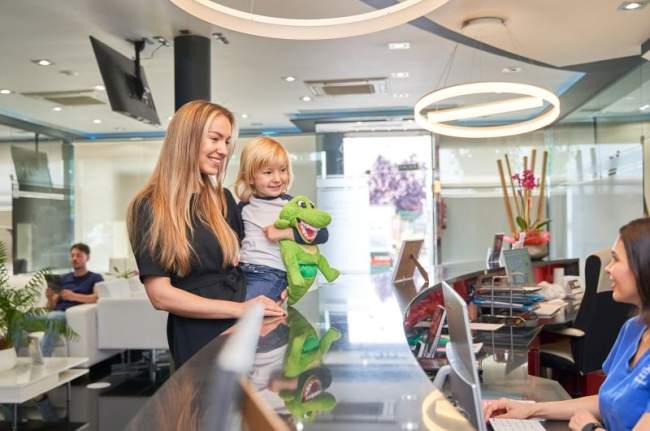
Wondering how to create a more welcoming office environment for your dental patients? Intentional interior design, clear communication, and well-integrated technology are some of the attributes that define a patient-centered office. Soft lighting, calming colors, and easy entryways show respect for different patient needs right from the start. Practices that prioritize these elements often find that the physical environment acts as a silent partner in clinical care, lowering the heart rate of anxious visitors before they even sit in a chair.
Simplicity for the patient is also key. Organized mounting systems and digital tools for easy check-ins can reduce clinical clutter and eliminate the "hospital" feel that many find intimidating. This helps lessen dental anxiety from the outset and builds long-term loyalty among all patients. A commitment to an inviting atmosphere begins the second a guest approaches the front desk.
The front desk establishes the first impression and sets the psychological "baseline" for the appointment. Staff who maintain eye contact and professional posture create an instant sense of recognition and trust. Clean, ergonomic dental workstation setups keep the area visually open, ensuring the front-office team can focus on relationship-building interactions rather than disappearing behind cluttered counters or towering monitors. When the reception area is physically open, it signals to the patient that the practice is transparent and ready to help.
Clinical organization signals safety and quality to patients. Equipment management is a critical component of a professional atmosphere. Neat mounting systems, such as TouchPoint Medical’s AccessMount™ solutions, keep technology off work surfaces and out of walkways. Managing cables and peripherals reduces visual chaos and supports better infection control discipline throughout the facility. Eliminating exposed wires and other “tech mess” reinforces a standard of clinical excellence that patients can both see and feel.
The waiting room should function as a curated lounge rather than a crowded holding area. Many practices provide movies or educational content to help pass the time pleasantly and distract from the sounds of the operatory. Securing these screens with an articulating monitor arm or a specialized wall mounted monitor arm provides guests with a perfect view while preserving floor space in high-traffic paths. This flexibility ensures that the room remains accessible for patients with mobility aids or families with strollers.
Active listening and transparency are the foundations of patient connection. Clinicians should use non-technical language to explain procedures, supported by visual aids like digital radiographs. Financial transparency is equally critical. Providing written estimates and explaining insurance coverage before treatment ensures patients feel like respected partners in the decision-making process. This approach eliminates the "hidden costs" that often lead to patient dissatisfaction and administrative friction.
Comfortable seating influences a patient’s entire perception of their visit. In the operatory, ergonomic chairs reduce physical strain during long procedures. This focus on comfort also applies to how clinicians interact with technology. Integrating a versatile wall mounted monitor arm allows staff to bring diagnostic images directly into the patient’s line of sight for chairside education. These mounts stow away easily when the procedure begins, maintaining clear, safe pathways for the care team to move efficiently around the patient.
Digital convenience is a standard expectation for modern patients. Online scheduling, digital intake forms, and two-way messaging reduce manual work for the front office and free staff to focus on high-value personal interactions.
Advanced technology, such as intraoral cameras and 3D imaging, improves diagnostic accuracy and patient trust. TouchPoint Medical’s AccessMount™ systems integrate this technology into the physical workflow to:
Improve Staff Ergonomics: Keeping devices within easy reach reduces repetitive strain and speeds up clinical documentation.
Optimize Workflow: Well-mounted equipment clears valuable floor space and maintains the pathways necessary for efficient care delivery.
Focus on the Patient: Eliminating the struggle with clunky equipment allows the team to keep their attention where it matters most: on the patient.
Standardizing a practice around adaptable, ergonomic platforms reduces operational complexity for IT and facilities teams. Selecting a mix of mounting systems that prioritize modularity and clinical ease-of-use provides a strong foundation for better clinical outcomes and a welcoming environment for every guest. Focusing on both the aesthetic and functional aspects of the interior allows dental practices to turn a standard check-up into a superior patient experience.
